
10 Australian Native Ingredients Being Used in Food and Supplements
Australia is home to thousands of native plant species, many of which have been used as foods by Aboriginal and Torres Strait Islander peoples for generations. Today, a growing number of these ingredients are finding their way into modern food products, functional foods, beverages and dietary supplements.
From the bright acidity of finger lime to the rich, roasted flavour of wattleseed, Australian native ingredients offer something that is increasingly valuable to food and supplement brands: distinctive flavour, local provenance and interesting nutritional or functional properties. However, the opportunity is about much more than simply finding the next trendy “superfood”. Australian native ingredients have deep cultural connections, and responsible sourcing, respect for Indigenous knowledge and sustainable supply chains need to be part of the conversation as commercial demand grows.
For food manufacturers, supplement brands and product developers, these ingredients can also present practical formulation opportunities. Some work particularly well as powders, extracts or capsules, while others bring natural colour, acidity, flavour or texture to functional food products.
Here are 10 Australian native ingredients increasingly being used and explored in food and supplement applications.
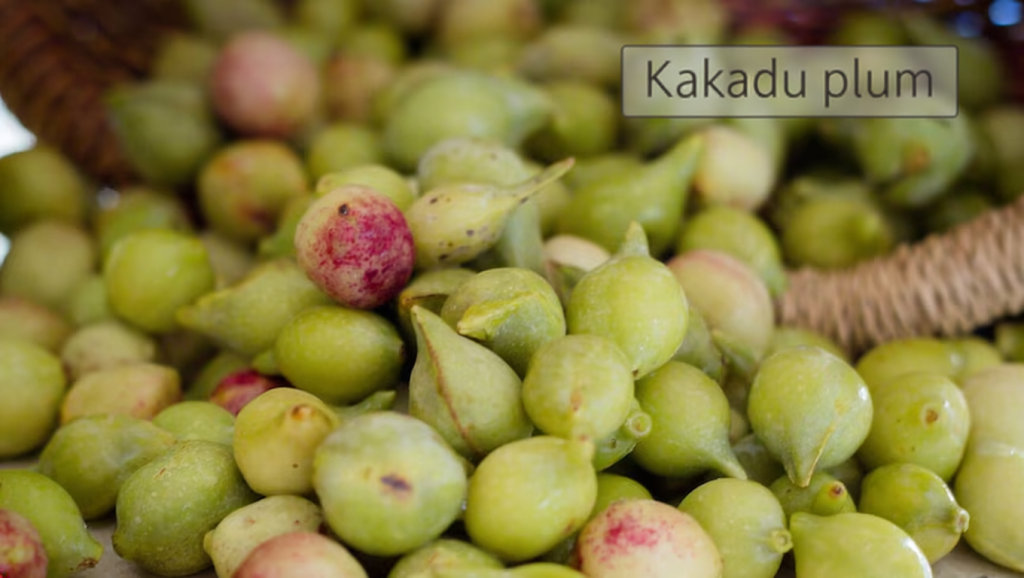
Kakadu Plum
Botanical name: Terminalia ferdinandiana
Kakadu plum is arguably one of Australia’s best-known native ingredients in the health and wellness space. The small green fruit grows naturally across northern Australia and has become particularly popular because of its naturally high vitamin C content and complex profile of phenolic compounds.
Research has identified Kakadu plum as a rich source of ascorbic acid, alongside compounds including ellagic acid, gallic acid and other polyphenols. These characteristics have helped make it an attractive ingredient for functional foods, powdered products and supplement formulations.
Kakadu plum can be incorporated into products in several forms, including:
- Fruit powders
- Freeze-dried powders
- Capsules
- Functional food blends
- Beverage powders
- Smoothie and wellness blends
- Bars and snack products
Powdered Kakadu plum is particularly useful for manufacturers because it can be easier to incorporate into dry formulations than fresh fruit. It can also be combined with other fruit and botanical ingredients to create Australian-made wellness blends.
For supplement brands, Kakadu plum may be used as a whole-food ingredient or as part of a broader formulation focused on naturally occurring nutrients and plant compounds. Its sharp, tart flavour can also be an important consideration when developing flavoured powders or food products.
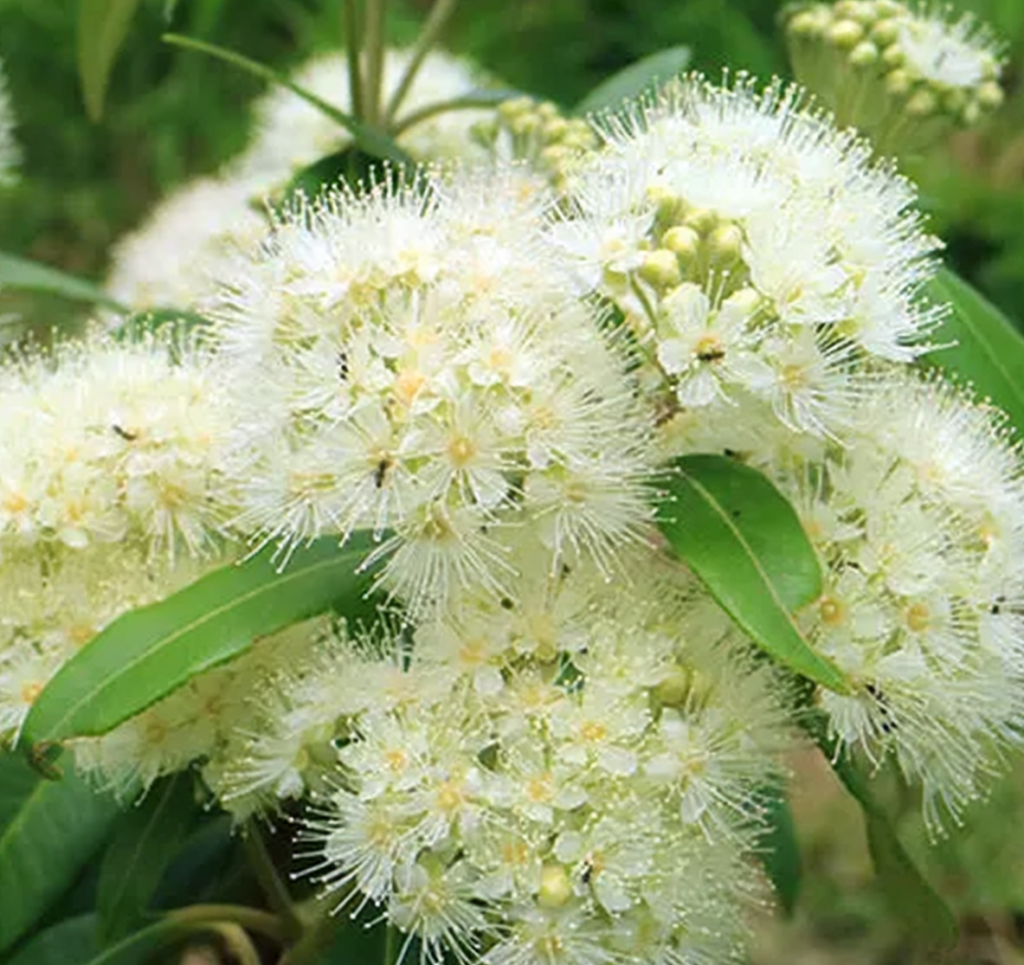
Lemon Myrtle
Botanical name: Backhousia citriodora
Lemon myrtle is one of Australia’s most recognisable native culinary botanicals. Known for its strong, fresh lemon aroma, the leaves are widely used in teas, seasonings, sauces, desserts and increasingly in food and wellness products.
The distinctive flavour of lemon myrtle is largely associated with citral, a naturally occurring aroma compound that gives the plant its powerful citrus character. Lemon myrtle has also attracted research interest for its bioactive and antimicrobial properties.
Lemon myrtle can be found in:
- Herbal teas and tea blends
- Powdered drink mixes
- Seasonings and spice blends
- Functional foods
- Botanical capsules
- Protein and wellness powders
- Flavoured snack products
For manufacturers, lemon myrtle can offer a useful way to add a distinctly Australian citrus flavour without relying solely on conventional lemon flavouring. Depending on the formulation, it can work particularly well with other ingredients such as ginger, turmeric, native fruits and green tea.
As with any highly aromatic botanical, concentration is important. A small amount can have a significant impact on the final flavour profile.
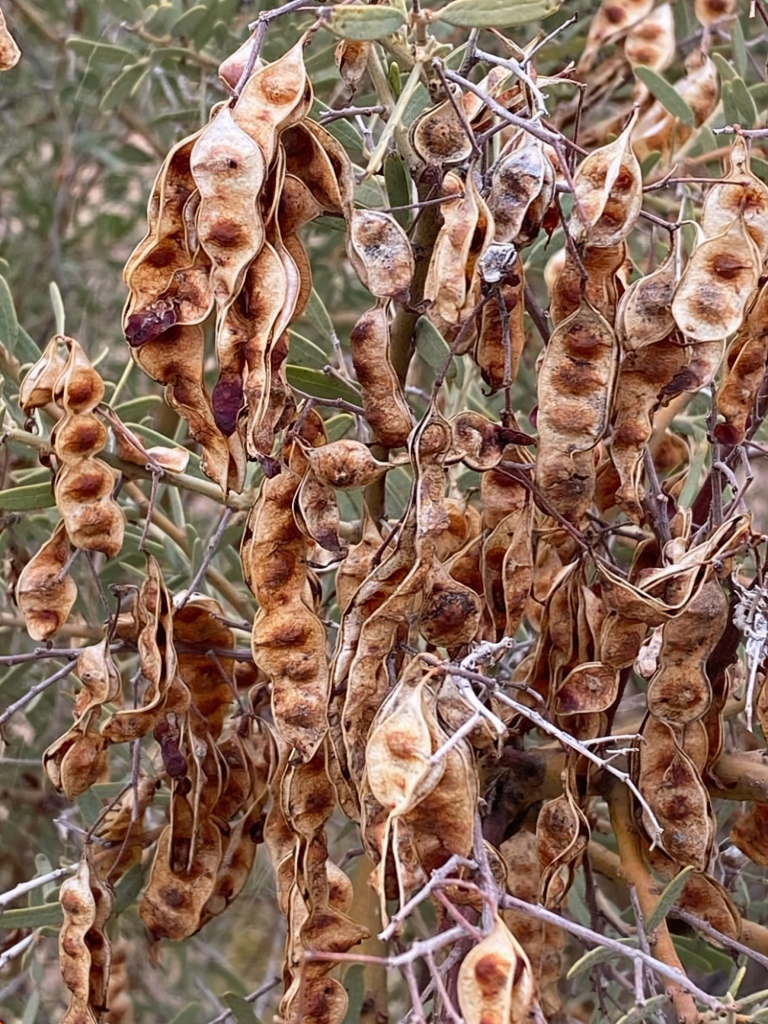
Wattleseed
Botanical name: Acacia spp
Wattleseed is one of the most versatile Australian native ingredients from a food formulation perspective. Traditionally prepared through roasting and grinding, wattleseed has a rich flavour often described as nutty, roasted, coffee-like or chocolatey.
Beyond its flavour, wattleseed has attracted attention for its nutritional composition. Research has identified relatively high protein levels in some edible Acacia species, as well as dietary fibre and other components that make wattleseed interesting for functional food development.
Wattleseed is increasingly used in:
- Protein powders
- Functional snack bars
- Baking mixes
- Breakfast products
- Chocolate and confectionery
- Coffee-style beverages
- Capsules and whole-food blends
Its roasted flavour makes it particularly useful when a manufacturer wants to create a richer or more indulgent taste profile. It can complement cacao, coffee, vanilla and caramel-style flavours while also helping create a point of difference for Australian-made products.
Processing is important when working with wattleseed. Different Acacia species have different characteristics, and appropriate roasting and processing are necessary for both flavour development and food safety.
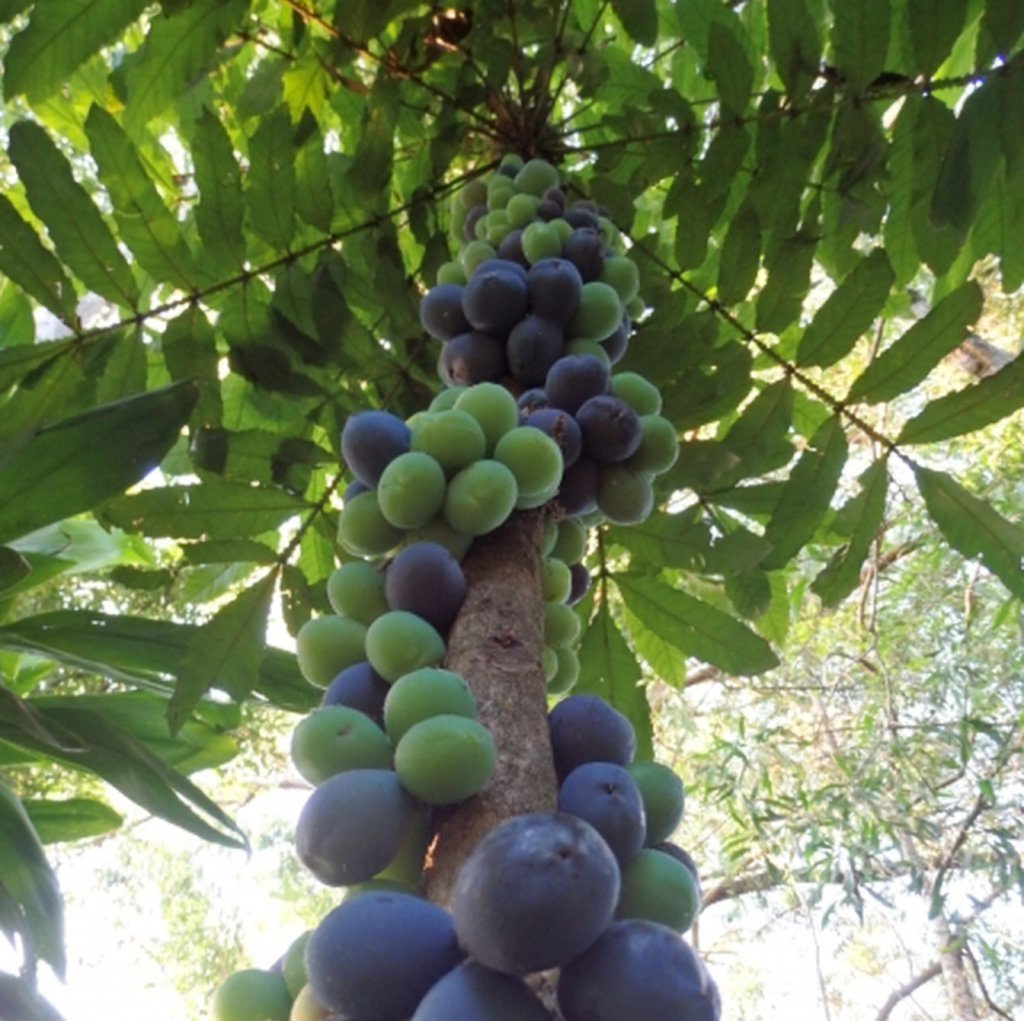
Davidson's Plum
Botanical name: Davidsonia spp
Davidson’s plum is immediately recognisable because of its deep purple colour and intensely tart flavour. The fruit is naturally rich in anthocyanin pigments, making it particularly interesting for food manufacturers looking for natural colour alongside fruit flavour.
Anthocyanins are the compounds responsible for many red, purple and blue colours found naturally in fruits and vegetables. Davidson’s plum has therefore attracted attention as both a nutritional ingredient and a potential natural colour contributor in food products.
Common applications include:
- Fruit powders
- Smoothie blends
- Functional beverages
- Gummies and confectionery
- Snack bars
- Sauces and preserves
- Capsules and botanical blends
Its strong acidity means Davidson’s plum can create a bold flavour profile, particularly when paired with sweeter ingredients. From a product development perspective, it may work well in berry-style blends, antioxidant-focused food products and brightly coloured formulations.
The visual appeal of Davidson’s plum is also valuable. As consumers increasingly look for ingredients that deliver recognisable, naturally derived colours, deeply pigmented native fruits may offer opportunities beyond their nutritional profile alone.
Finger Lime
Botanical name: Citrus australasica
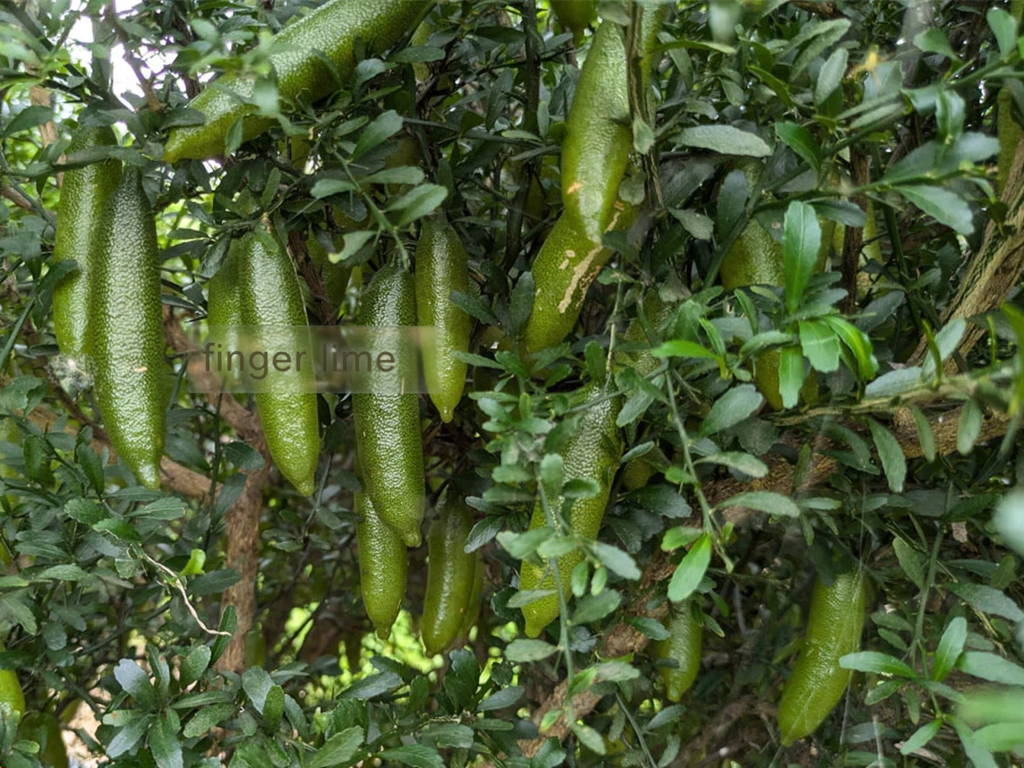
Finger lime has become one of the most visually distinctive Australian native ingredients. The fruit contains small juice vesicles often described as “citrus caviar”, which burst with a sharp, fresh flavour.
While fresh finger lime is especially popular in restaurants and premium food applications, the ingredient is also being explored in processed forms for beverages, flavour systems and functional food products. Finger lime contains vitamin C and a range of other compounds that have attracted nutritional and food science research.
Finger lime can be used in:
- Premium beverages
- Fruit powders
- Functional drink mixes
- Gummies
- Sauces and condiments
- Wellness blends
- Flavoured food products
The challenge for manufacturers is that the fresh fruit’s distinctive texture does not always translate directly into a powdered or processed format. Product developers therefore need to decide whether finger lime is being used primarily for flavour, nutritional contribution, visual appeal or brand storytelling.
Finger lime production has expanded in Australia, with orchards established particularly along the east coast. This growing commercial production is helping create greater opportunities for food manufacturers to access the ingredient through more developed supply chains.
Tasmanian Pepperberry
Botanical name: Tasmannia lanceolata
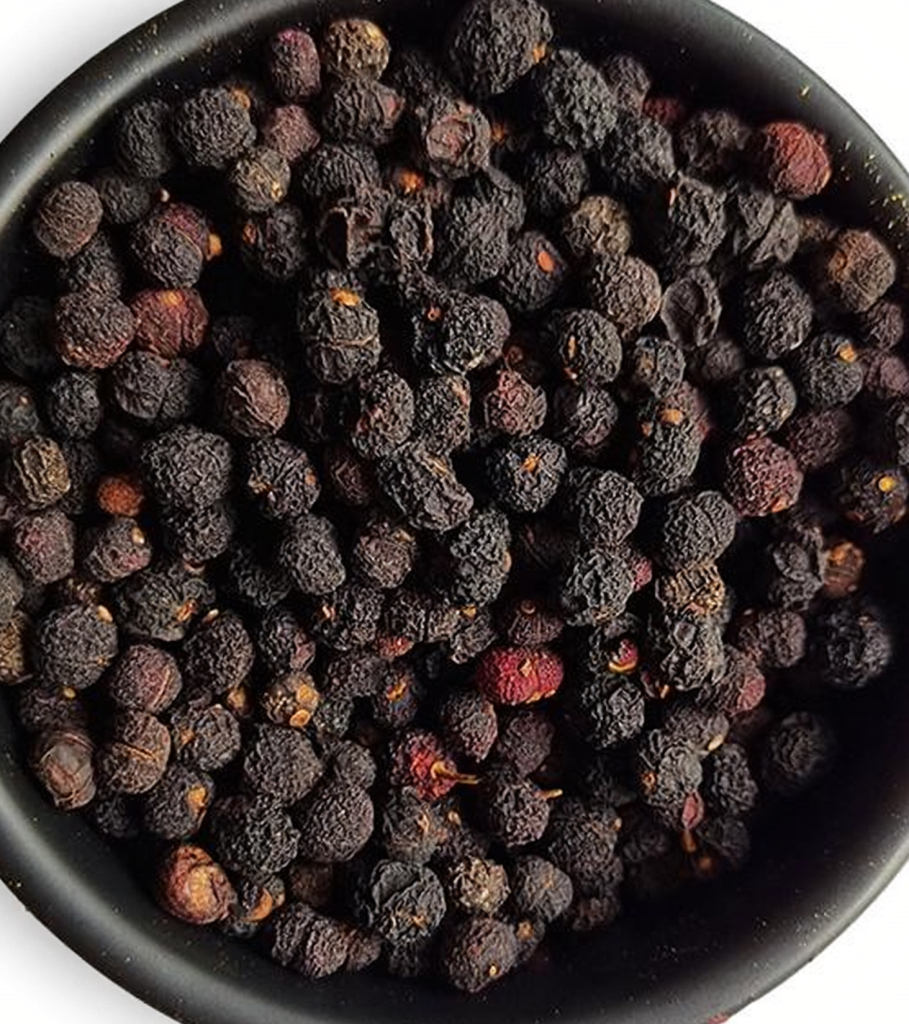
Tasmanian pepperberry, also known as mountain pepper, brings something different to the native food ingredient category: heat.
The berries and leaves are used for their distinctive spicy flavour, which can be stronger and more complex than conventional black pepper. This makes pepperberry useful in savoury foods, seasonings and products where manufacturers want a uniquely Australian flavour profile.
Research has also examined the chemical composition and bioactive properties of Tasmanian pepper and related native ingredients.
Common applications include:
- Seasoning blends
- Savoury snack products
- Sauces
- Marinades
- Functional savoury foods
- Botanical blends
For food brands, Tasmanian pepperberry can offer a strong provenance story alongside flavour differentiation. Rather than simply adding another botanical to a label, it can help create products that are clearly connected to Australian ingredients and local food culture.
Its strong flavour means it may be most effective as part of a carefully balanced formulation rather than as a major ingredient.
Bush Tomato
Botanical name: Citrus australasica
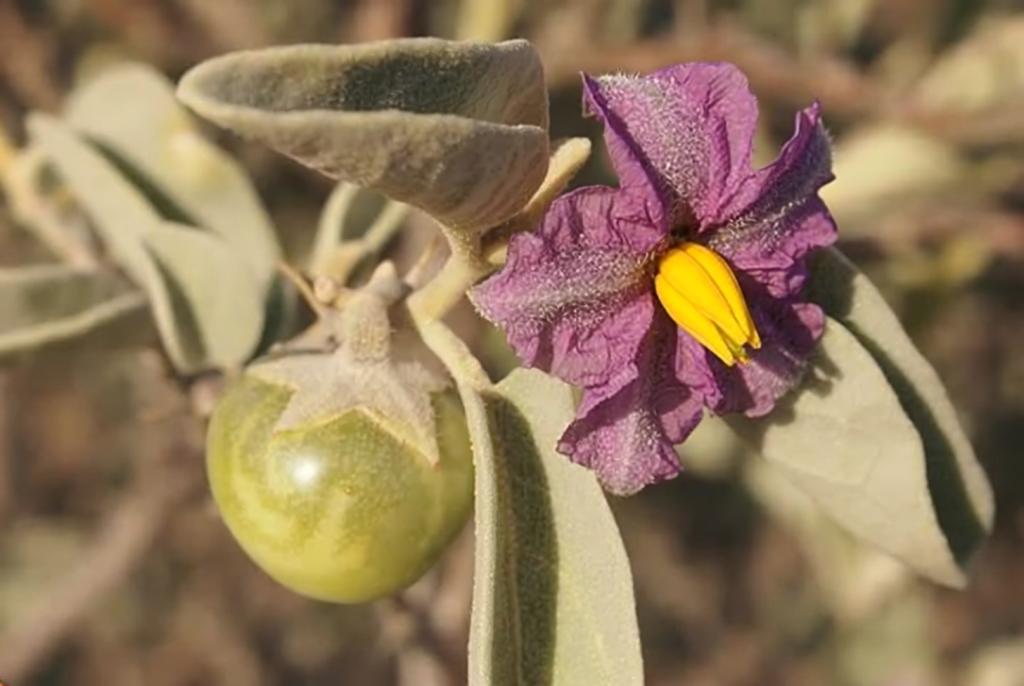
Despite its name, bush tomato is quite different from the conventional tomatoes most Australians know. It is a native desert fruit with an intense, savoury flavour that is often described as earthy, tangy and somewhat caramel-like.
Bush tomato has traditionally been used as a food ingredient and is now incorporated into a range of contemporary products. It has also been included in scientific reviews examining the nutritional composition and commercial potential of Australian native foods.
Bush tomato can be incorporated into:
- Savoury seasonings
- Spice blends
- Sauces
- Snack Foods
- Meal products
- Functional savoury blends
It is particularly suited to brands looking to develop distinctly Australian savoury products. Rather than competing directly with sweet native fruit powders in the wellness category, bush tomato offers opportunities in cooking products, meal solutions and gourmet food formulations.
Commercial supply can be more challenging than with some other native ingredients, which makes responsible sourcing and supply planning especially important for manufacturers. Government reporting has identified labour, harvesting and production challenges within the bush tomato sector.
Quandong
Botanical name: Santalum acuminatum
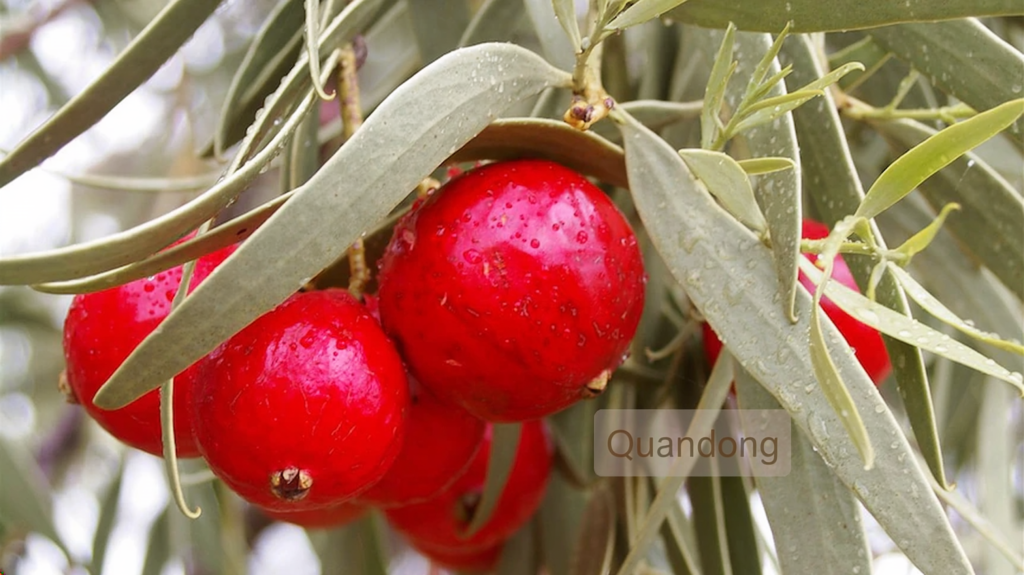
Quandong is a native Australian fruit known for its bright colour and tart flavour. Sometimes referred to as a native peach, the fruit has been used in a range of traditional and contemporary food applications.
For modern manufacturers, quandong can offer both flavour and visual appeal. It is one of the native bush foods that has been commercially developed and included in research examining the potential of Australian native fruits as functional food ingredients.
Quandong may be found in:
- Fruit powders
- Jams and preserves
- Snack products
- Beverage formulations
- Fruit blends
- Functional foods
Its tartness can help add complexity to sweeter formulations, while its Australian provenance can be valuable for brands focused on local ingredients.
As with many native fruits, seasonal availability and consistency of supply need to be considered early in the product development process. An ingredient may be exciting on paper, but successful commercial manufacturing also depends on being able to source it reliably and consistently.
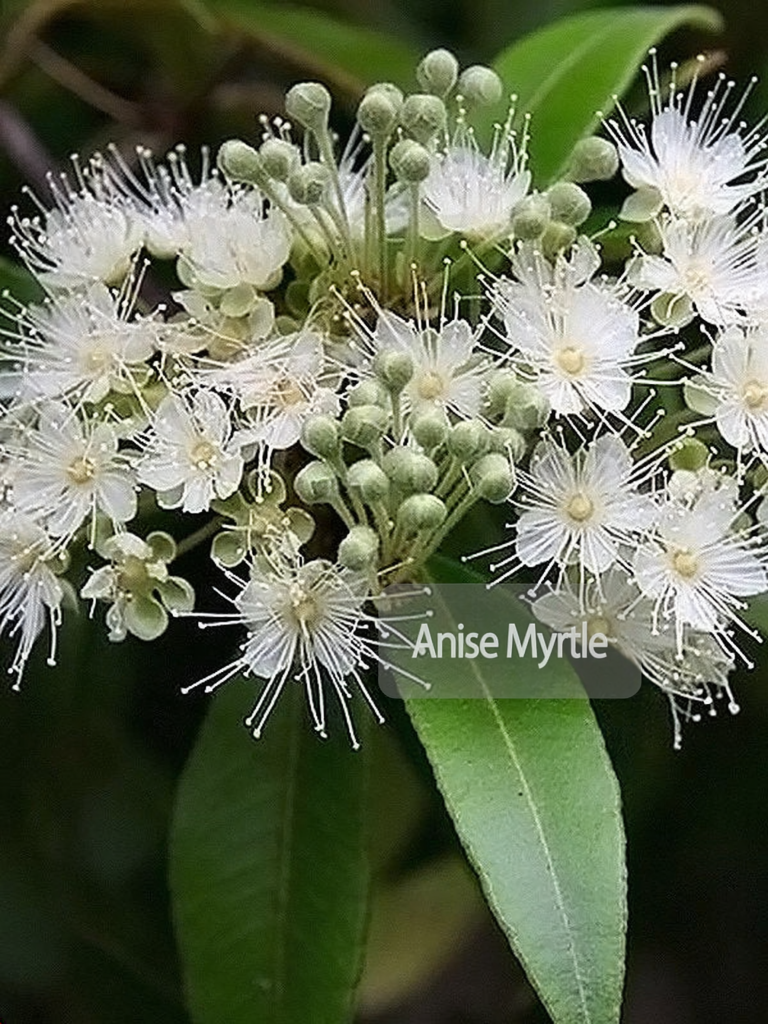
Anise Myrtle
Botanical name: Syzygium anisatum
Anise myrtle is a native Australian leaf with a naturally sweet, aromatic flavour profile that has notes of aniseed and liquorice. It is a useful example of how Australian native ingredients can offer flavour profiles that are familiar enough for consumers to recognise while still providing something distinctly different.
Research into Australian native foods has included studies of anise myrtle’s chemistry and antioxidant properties, while commercial interest has helped expand its use across food and beverage products.
Potential applications include:
- Herbal teas
- Botanical powders
- Confectionery
- Capsules
- Wellness products
- Functional beverages
- Seasoning blends
Anise myrtle can be particularly useful for manufacturers developing botanical or herbal-style products. Its natural sweetness and aromatic character may also help reduce the need for complex artificial flavour systems in some applications.
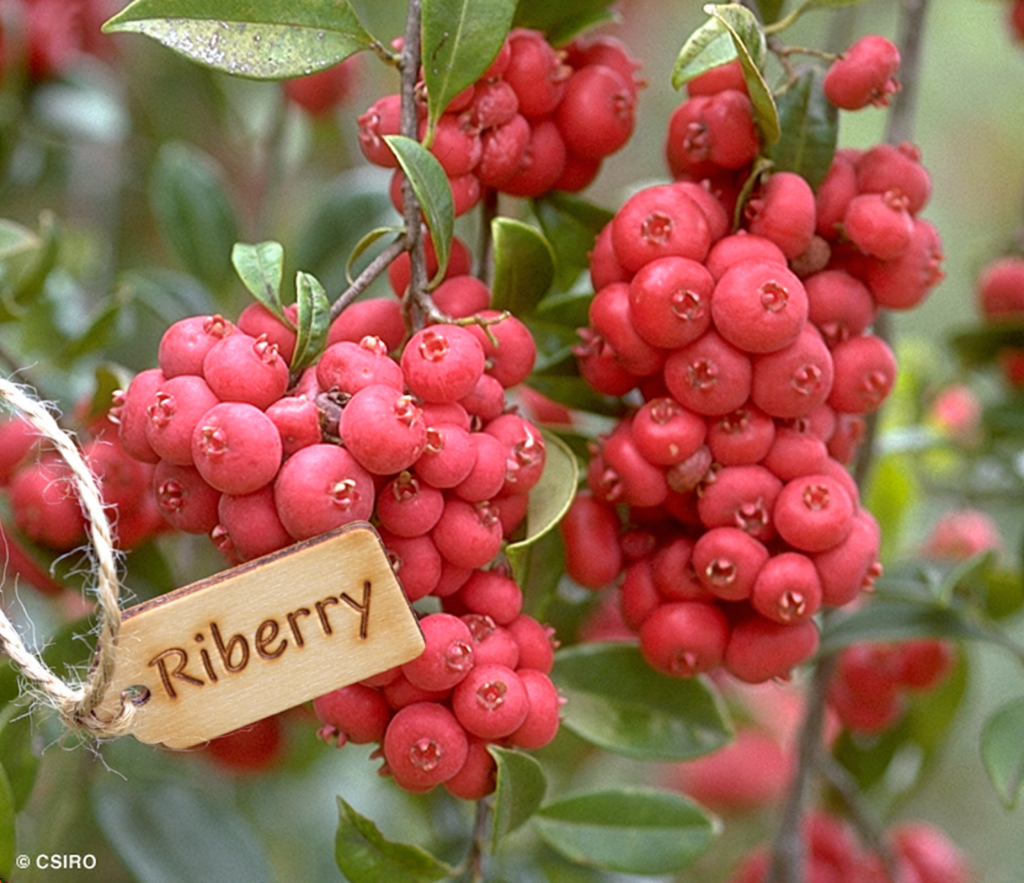
Riberry
Botanical name: Syzygium luehmannii
Riberry is a small Australian native fruit with a flavour often described as a combination of berry, cranberry and spice. It is a versatile ingredient for food manufacturers because it can work in both traditional fruit products and modern functional formulations.
Like several other Australian native fruits, riberry contains naturally occurring plant compounds and has been included in research into the nutritional and functional potential of native Australian ingredients.
Riberry can be incorporated into:
- Fruit powders
- Functional beverages
- Tea blends
- Jams and sauces
- Snack products
- Gummies
- Fruit-based wellness blends
Its berry-like flavour can be easier for consumers to understand than some more unfamiliar native ingredients, making it a useful option for brands wanting to introduce Australian botanicals without creating an overly challenging flavour profile.
Riberry can also be blended with more familiar fruits to create products that balance recognisable taste with a distinctive Australian ingredient story.

What Makes Australian Native Ingredients Attractive to Food and Supplement Brands?
The growing interest in Australian native ingredients is being driven by more than one trend. For product developers, these ingredients can provide several potential advantages.
A distinctive point of difference
Many food and supplement categories are crowded. Native Australian ingredients can help a brand create a stronger identity, particularly when developing products for the Australian market or positioning products internationally. Ingredients such as Kakadu plum, lemon myrtle and wattleseed can immediately signal an Australian connection.
Interesting nutritional and functional properties
Many native fruits and botanicals have been studied for their vitamin, mineral, fibre and phytochemical content. Kakadu plum, Davidson’s plum, wattleseed and other ingredients have attracted particular research attention.
That does not mean every ingredient should automatically be marketed with broad health claims. For food and supplement manufacturers, the scientific evidence, ingredient format, dosage and regulatory requirements all need to be considered before making claims.
Natural flavour and colour
Not every product needs to be positioned as a supplement. Some of the most valuable applications for native ingredients may simply be their ability to add flavour, aroma, acidity or natural colour. Davidson’s plum can contribute deep purple tones, lemon myrtle delivers powerful citrus aroma, and wattleseed provides a rich roasted flavour. These sensory qualities can be just as important as nutritional composition during product development.
Growing consumer interest in provenance
Consumers are increasingly interested in where ingredients come from. Locally sourced ingredients, regional food stories and traceable supply chains can all influence purchasing decisions. Australian native ingredients can help brands tell a more specific story about their products, but that story needs to be accurate and respectful.
Responsible Sourcing Matters
One of the most important considerations when working with Australian native foods is that these ingredients are not simply newly discovered commercial opportunities. Many have longstanding cultural connections and are linked to the knowledge, food systems and practices of Aboriginal and Torres Strait Islander peoples. As commercial demand grows, responsible sourcing and respect for Indigenous Cultural and Intellectual Property are essential. Research and industry discussion increasingly emphasise the need to involve and work respectfully with Traditional Owners and Indigenous communities rather than simply commercialising ingredients without recognising their cultural origins. Manufacturers should consider questions such as:
- Where is the ingredient sourced?
- Is it wild harvested or plantation grown?
- Is the harvesting method sustainable?
- Are Traditional Owners and Indigenous suppliers involved where appropriate?
- Is the product’s marketing respectful and accurate?
- Is the supply chain reliable enough for long-term commercial production?
Supply is another practical consideration. Australian government information notes that many native bush foods are still wild harvested, while only a relatively small number of species have been effectively developed for commercial production. This means manufacturers need to think beyond simply choosing an exciting ingredient. Consistency, quality specifications, seasonality, processing methods and supply security all matter.
Turning Native Ingredients Into Commercial Products
For a food or supplement brand, choosing the ingredient is only the first step. The next question is: what format will it work best in?
Depending on the ingredient, a manufacturer may work with:
- Whole dried ingredients
- Milled powders
- Freeze-dried powders
- Extracts
- Blended powders
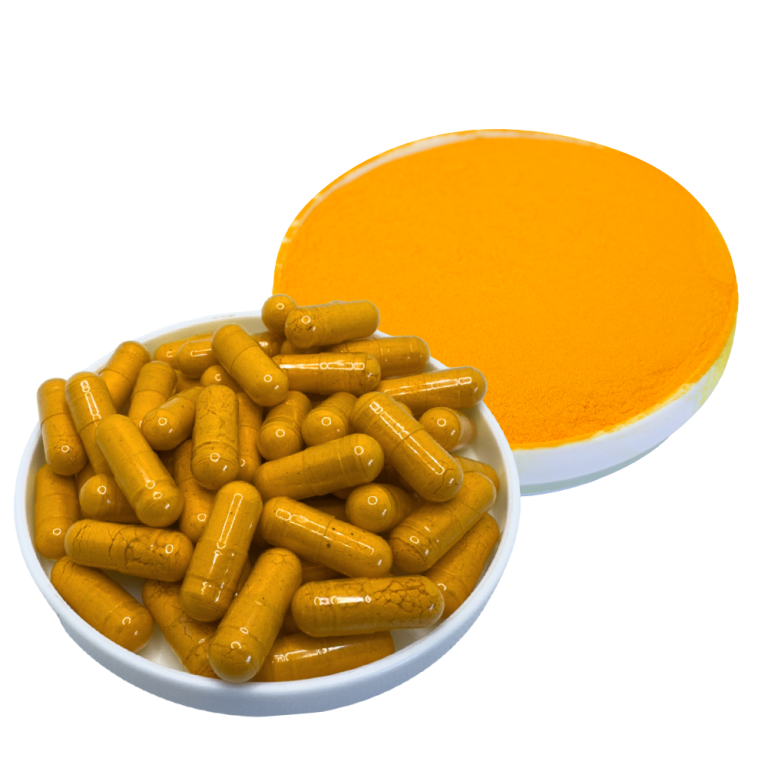
- Capsules
- Functional food formulations
For example, a high-quality fruit powder may be suitable for a capsule or stick pack, while a strongly aromatic leaf may be better suited to a tea, seasoning or flavoured powder blend.
Manufacturers also need to consider moisture, particle size, taste, flowability, stability and compatibility with other ingredients. A native ingredient that performs well in a smoothie powder may behave very differently in a capsule or compressed tablet. This is where early formulation and manufacturing expertise can make a significant difference.
The Future of Australian Native Ingredients
Australia’s native food sector still has significant room to grow. Government information notes that thousands of Australian plant species are recognised as native bush foods, yet only a small number have been effectively developed for commercial production.
That creates opportunities for food manufacturers, supplement brands and researchers, but growth needs to be approached carefully.
The future of Australian native ingredients is likely to depend on several things:
- Sustainable cultivation and harvesting
- Stronger and more reliable supply chains
- Continued research into food composition and processing
- Product development that makes ingredients accessible to consumers
- Respectful collaboration with Indigenous communities and Traditional Owners
- Clear quality and safety standards
The most successful products will not simply add a native ingredient because it is unusual or marketable. They will use ingredients for a clear reason, whether that is flavour, nutritional composition, natural colour, functionality or genuine Australian provenance.
Develop Your Australian Native Ingredient Product With Agtech Food Manufacturing
Australian native ingredients offer exciting possibilities for food, beverage and supplement brands. From Kakadu plum and lemon myrtle to wattleseed, Davidson’s plum and riberry, these ingredients can help create products with distinctive flavours, compelling ingredient stories and unique formulation opportunities.
At Agtech Food Manufacturing, we work with a wide range of food, botanical and functional ingredients to help brands develop commercially viable products. Whether you are exploring a native fruit powder, creating a capsule formulation or developing a custom food blend, the right manufacturing approach starts with understanding both the ingredient and the finished product.
If you have an idea for a product using Australian native ingredients, our team can help you explore ingredient formats, blending and manufacturing options.