
Food Fraud in Australia: Why Knowing Where Your Ingredients Comes From Matters
When most people buy a food product, they trust that the ingredients listed on the label are exactly what is inside the package. Whether it is turmeric powder, beef liver capsules, freeze dried fruit or a protein blend, consumers expect they are paying for the ingredient they have chosen.
Unfortunately, that trust is not always justified.
Food fraud has become a global issue affecting ingredients across many industries. It can involve substituting one ingredient for another, diluting products with fillers, misrepresenting the country of origin or making claims that cannot be verified. While these practices may reduce costs for some suppliers, they also reduce confidence in the food supply chain and can damage the reputation of businesses that invest in doing the right thing.
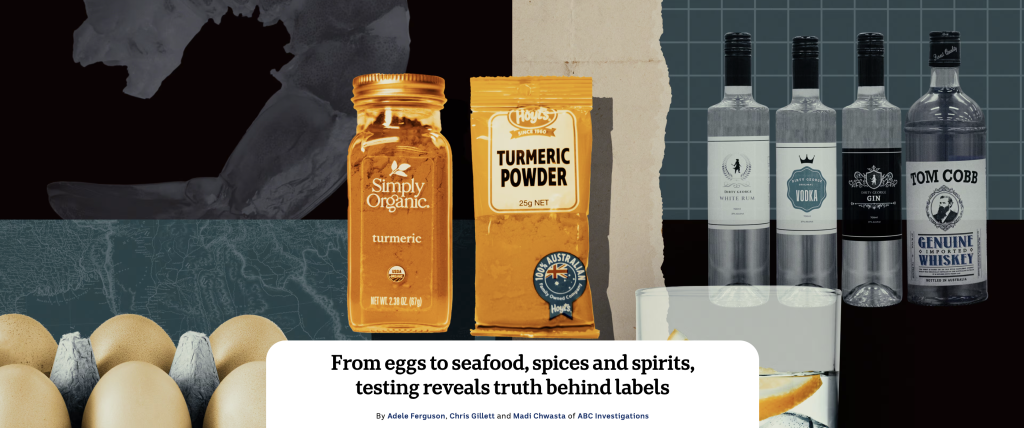
A recent ABC investigation brought renewed attention to this issue after laboratory testing raised questions about the authenticity of some turmeric products sold in Australia. The investigation highlighted why ingredient traceability matters and why consumers and brands should ask more questions about where their ingredients come from. The findings also prompted responses from some of the businesses involved, with several disputing the results and undertaking their own investigations. Rather than focusing on any individual company, the investigation highlighted the broader importance of transparency throughout the supply chain.
Food fraud is not a new problem. It has existed for decades and affects products around the world. As supply chains become longer and more complex, verifying the authenticity of ingredients becomes more challenging. That is why manufacturers, retailers and consumers all have a role to play in supporting transparency and accountability.
What Is Food Fraud?
Food fraud occurs when a food product is deliberately altered, substituted or misrepresented for financial gain.
This can include:
- Replacing an expensive ingredient with a cheaper alternative
- Adding undeclared fillers
- Mislabelling the country of origin
- Selling lower quality ingredients as premium products
- Making claims that cannot be substantiated
Unlike accidental contamination, food fraud is intentional. The purpose is to reduce production costs or increase profits while presenting the product as something it is not.
Many food ingredients sold as powders are particularly vulnerable because once an ingredient has been milled into a fine powder, it can be difficult to identify visually. This creates opportunities for substitution if there is insufficient testing or supply chain oversight.
Turmeric, cinnamon, oregano, saffron, vanilla, olive oil, honey and coffee have all been identified internationally as ingredients that have experienced food fraud at various times.
Why Powdered Ingredients Are More Vulnerable
Whole ingredients retain many characteristics that help identify their origin and quality. Once those same ingredients are dried, milled and blended, visual identification becomes much more difficult.
- For example, turmeric powder should contain only turmeric. However, if another plant material or starch is mixed into the powder, consumers are unlikely to detect it simply by looking at it.
This is why supplier verification, laboratory testing and traceability become so important.
Manufacturers should know where their ingredients originated, who processed them and what quality assurance measures were applied before they entered production.
The more intermediaries involved between the farm and the finished product, the more difficult it can become to verify every step of the process.
The Cost of Food Fraud
Food fraud affects far more than the individual consumer.
Businesses that invest in sourcing quality ingredients must compete against products produced at a lower cost through questionable practices. This creates an uneven marketplace where price becomes disconnected from quality.
Food fraud can also reduce confidence across an entire industry. Consumers may begin questioning products from businesses that have done nothing wrong simply because trust has been damaged elsewhere.
There can also be nutritional implications. If an ingredient is substituted or diluted, consumers may not receive the product they intended to purchase.
For businesses building long term brands, trust is one of the most valuable assets they have. Once lost, it can take years to rebuild.
Why Traceability Matters
Traceability means being able to follow an ingredient throughout the supply chain.
This includes:
- Understanding where it was grown
- Who supplied it
- How it was processed
- When it was transported
- Where it entered manufacturing
Good traceability allows businesses to respond quickly if an issue arises. It also provides confidence that the ingredients entering production match the specifications expected by both manufacturers and customers.
Modern manufacturing should not rely solely on paperwork. Supplier relationships, quality systems, testing and documentation all contribute to building confidence in ingredient integrity.
When manufacturers know their suppliers well, they are in a stronger position to maintain consistent product quality.

The Benefits of Australian Grown Ingredients
Australia has a reputation for food safety, quality assurance and agricultural standards. Choosing Australian grown ingredients provides several advantages.
- Supply chains are generally shorter
- Communication with growers is easier
- Quality standards are easier to verify
- Transport times can be reduced
- Country of origin is easier to confirm
This does not mean imported ingredients are inherently inferior. Many imported ingredients are produced to high standards. However, local sourcing often provides greater visibility throughout the supply chain and creates opportunities for stronger relationships between growers and manufacturers.
Supporting Australian agriculture also helps strengthen regional industries and keeps more value within the local economy.
Questions Every Brand Should Ask Their Manufacturer
If you are developing a food product, supplement or functional ingredient, understanding your manufacturer’s sourcing practices is essential.
- Ask where the ingredients come from
- Ask whether the manufacturer knows the original grower or importer
- Ask how ingredients are verified before production
- Ask whether certificates of analysis are available
- Ask what testing is performed on incoming raw materials
- Ask whether the ingredient is blended with any carriers or processing aids
- Ask how products are stored before manufacturing
Transparency should never be viewed as an inconvenience. It should be part of doing business. A manufacturer willing to answer these questions openly is demonstrating confidence in their supply chain.
Consumers also have a role to play. While it is impossible to verify every product personally, there are signs that may indicate a manufacturer values transparency.
- Look for businesses that clearly identify where ingredients are sourced
- Look for manufacturers that explain how products are processed
- Look for businesses that provide detailed product information rather than relying on marketing claims alone
- Do not choose products based solely on price
Producing quality ingredients involves farming, harvesting, transport, storage, processing, quality assurance and manufacturing. Every step carries a cost. When a product appears significantly cheaper than comparable alternatives, it is worth asking why.
From Australian Turmeric to Finished Powder
One of the ways manufacturers can improve ingredient traceability is by taking control of more of the processing themselves.
Turmeric provides a useful example.
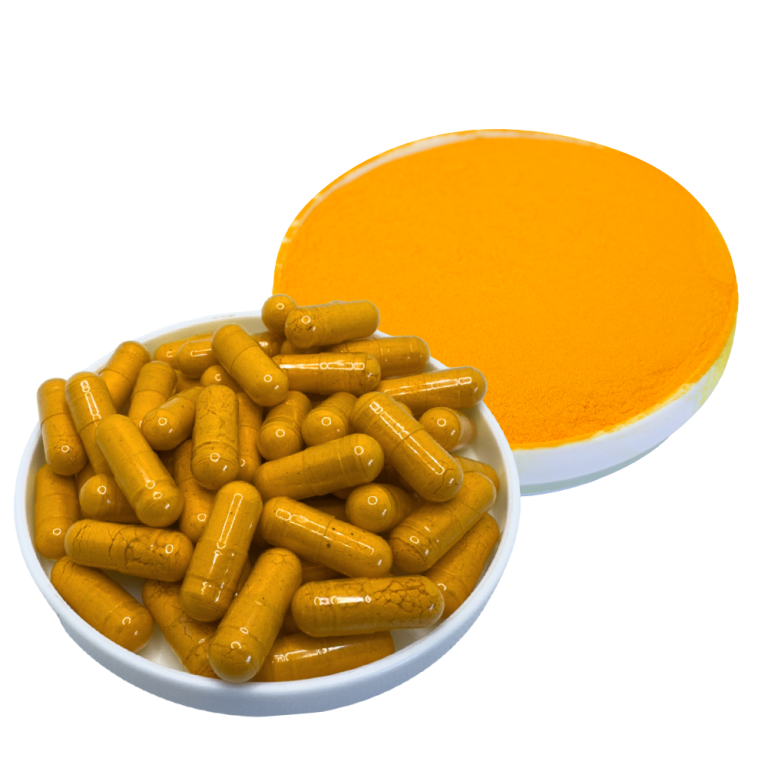
At Agtech Food Manufacturing and Agtech Freeze Drying, we source Australian grown turmeric rather than purchasing a finished turmeric powder from another supplier. The turmeric comes into our facility as the agricultural ingredient and we control the processing that follows.
We freeze dry the turmeric, then mill and blend it ourselves.
That distinction matters.
When a manufacturer purchases a finished powder, there can be several stages between the farm and the finished ingredient. The turmeric may have been dried, processed, milled, blended, packed and transported by different businesses before it reaches the manufacturer.
When the manufacturer controls these steps, there are fewer processing stages between the original ingredient and the finished product.
Our turmeric follows a much more direct process:
Australian grown turmeric → Agtech freeze drying → Agtech milling → Agtech blending → finished turmeric powder
There are no fillers or other ingredients added to the turmeric during this process.
This does not mean that local sourcing alone guarantees food integrity. Food businesses still need appropriate food safety systems, supplier records, specifications, testing and traceability procedures. Food Standards Australia New Zealand recommends that businesses maintain information about where food came from, who supplied it, relevant batch or lot information, quantities and production records.
The point is that traceability becomes easier when you know the ingredient and control more of the process.
For a food manufacturer, that can make a significant difference.
Instead of relying on a chain of suppliers to explain what happened to an ingredient before it arrived, the manufacturer can directly account for more of the journey from raw material to finished product.
For consumers and brands, this raises an important question.
- Do you know where your ingredient came from, or do you only know where you bought it?
Those are not always the same thing.
Knowing the name of your ingredient supplier is one part of traceability. Knowing the origin of the agricultural ingredient, how it was processed and what happened to it before it became the finished ingredient provides another level of visibility.
This is one reason we believe local sourcing and in-house processing are worth considering when developing food products.
The shorter and more transparent the supply chain, the more questions a manufacturer can answer.
→ Read the full case study: From Australian Turmeric to Finished Powder
Transparency Builds Stronger Brands
Businesses that invest in transparent sourcing are investing in their reputation. Consumers increasingly want to know where food comes from, how it was produced and who made it.
This shift is encouraging manufacturers to develop closer relationships with growers and suppliers while improving documentation throughout the production process.
- Transparency benefits everyone
- Growers receive recognition for their work
- Manufacturers build stronger brands
- Consumers gain greater confidence in the products they purchase
Our Approach at Agtech Food Manufacturing and Agtech Freeze Drying
At Agtech Food Manufacturing and Agtech Freeze Drying, ingredient traceability is part of how we approach manufacturing.
For our turmeric products, we source Australian grown turmeric. The turmeric is freeze dried before being blended and milled into powder without adding fillers or other ingredients.
Our goal is simple. When a product is labelled as turmeric, it should contain turmeric.
We believe manufacturers should know where their ingredients originate and be prepared to discuss that process with their customers.
Traceability is not simply about compliance. It is about building confidence through every stage of production.
Whether we are producing powders, capsules or freeze dried ingredients, understanding the supply chain is an important part of delivering products that meet customer expectations.
Looking Ahead
Food fraud is unlikely to disappear completely. Global supply chains continue to grow, demand for functional food ingredients continues to increase and competition remains strong. However, the industry can reduce risk through greater transparency, stronger supplier relationships, regular testing and clear communication.
Consumers can also contribute by supporting businesses that prioritise traceability over marketing claims alone. Knowing where an ingredient comes from should not be considered a premium feature. It should be an expectation. As more consumers ask questions about sourcing and more manufacturers provide meaningful answers, confidence in the food industry will continue to grow.
The conversation surrounding food fraud is not about creating fear. It is about encouraging accountability.