
From Australian Turmeric to Finished Powder: Inside the Agtech Manufacturing Process
When a business buys a turmeric powder, it can be difficult to know exactly what happened to that ingredient before it arrived at the manufacturing facility.
- Where was the turmeric grown?
- Who processed it?
- Where was it dried?
- Who milled it?
- How many businesses handled it?
- Was anything added during processing?
These questions become particularly important when the finished product is marketed around ingredient purity, Australian sourcing or a single agricultural ingredient.
At Agtech Food Manufacturing and Agtech Freeze Drying, we take a different approach with our Australian turmeric. Rather than purchasing a finished turmeric powder and repacking or incorporating it into another product, we start with Australian-grown turmeric and control the processing ourselves. The turmeric is freeze dried, milled and blended through our manufacturing operation before becoming the finished powder.
This case study follows that process from the raw turmeric through to the finished ingredient and explains why controlling more stages of processing can improve supply chain visibility.
Starting With Australian-Grown Turmeric
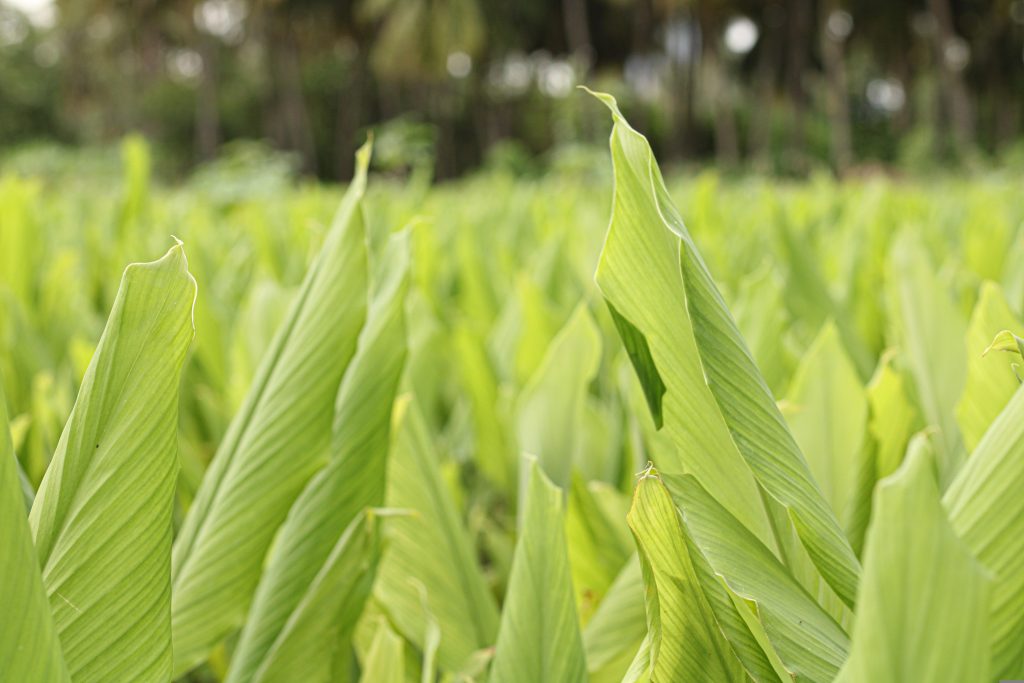
The first step in the process is the ingredient itself. Our turmeric starts as Australian-grown turmeric rather than an imported finished powder.
This distinction is important.
There is a difference between knowing the name of the company you purchased an ingredient from and knowing where the agricultural ingredient originated.
A manufacturer purchasing an already processed turmeric powder may have a supplier, but there can be several stages between that supplier and the original crop. Depending on the supply chain, those stages can include drying, processing, milling, blending, packaging, importing and distribution.
Our process begins further upstream.
We source the turmeric as the agricultural ingredient and bring it into our manufacturing process before it has been turned into the finished powder. This gives us visibility over the transformation from the raw turmeric into the ingredient we ultimately supply. It also gives us the opportunity to control more of the processing ourselves.
Why Supply Chain Visibility Matters
Food traceability is the ability to track food through the stages of production, processing and distribution. Food Standards Australia New Zealand recommends that food businesses maintain records that allow ingredients and products to be traced, including information about suppliers, products, dates, quantities and batch or lot identifiers.
Traceability is not simply about being able to say that an ingredient is Australian. It is about being able to answer questions about what happened to that ingredient along the way.
For a food manufacturer, the more stages that can be directly accounted for, the easier it becomes to understand the journey of the ingredient.
Our turmeric provides a practical example.
Instead of starting with an anonymous bag of finished turmeric powder, our process starts with Australian-grown turmeric.
From there, we control the processing steps.
The result is a more direct manufacturing pathway between the agricultural ingredient and the finished powder.
- Step 1: Preparing the Turmeric
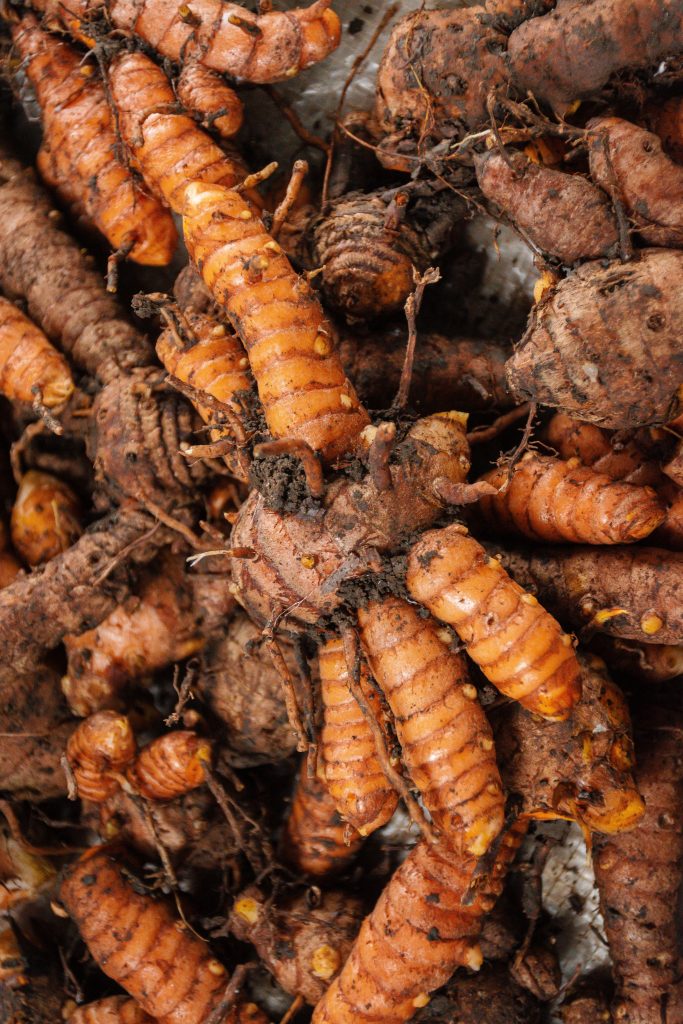
Before freeze drying, the turmeric needs to be prepared for processing.
At this stage, the raw material is handled according to our manufacturing and food safety procedures.
The objective is to prepare the turmeric for the freeze-drying process while maintaining control over the material entering production.
This stage is also where the importance of starting with a known raw material becomes apparent.
The manufacturing process does not begin with a mystery powder.
It begins with turmeric.
That may sound simple, but it is an important distinction when considering ingredient traceability.
- Step 2: Freeze Drying the Turmeric
The prepared turmeric then enters the freeze-drying process.
Freeze drying, also known as lyophilisation, removes water from a frozen product through sublimation. The material is frozen, placed under reduced pressure and processed so that ice transitions directly from a solid to a vapour.
This allows water to be removed without relying on conventional high-temperature drying.
For turmeric, freeze drying transforms the raw ingredient into a dry, stable material that can then be processed further.
At Agtech Freeze Drying, freeze drying forms part of our broader processing capability. We work with a range of food and ingredient materials and can manage sourcing and processing depending on the requirements of the product.
For our turmeric process, the important point is that we are freeze drying the turmeric ourselves.
We are not purchasing a finished turmeric powder that has already passed through an unknown drying and milling process.
We receive the turmeric and carry out the freeze-drying stage within our own processing operation.
- Step 3: Milling the Freeze-Dried Turmeric
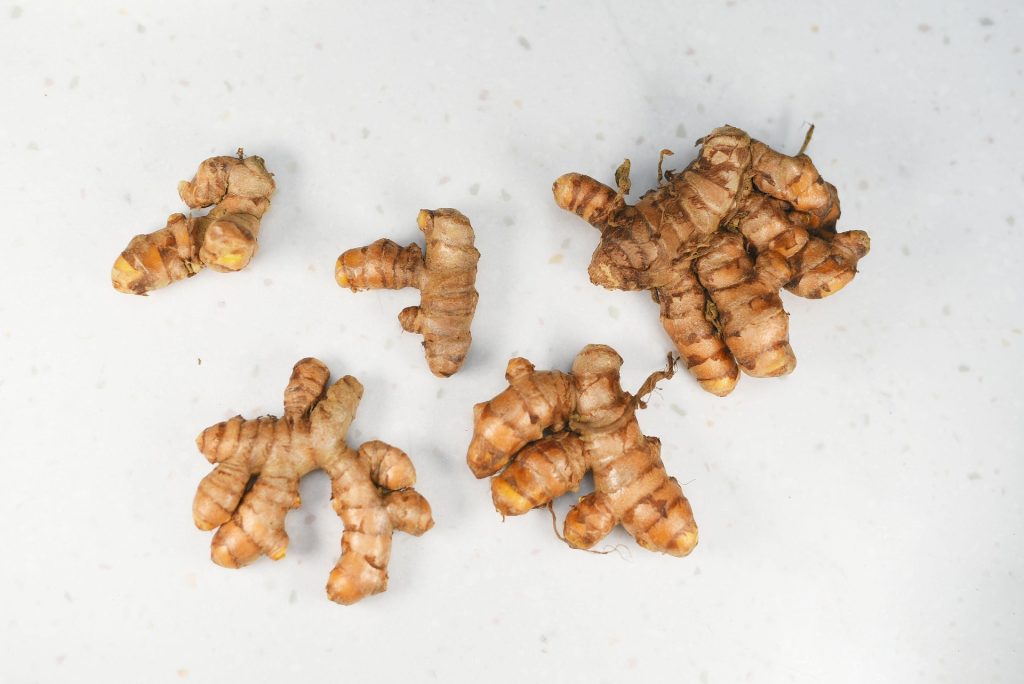
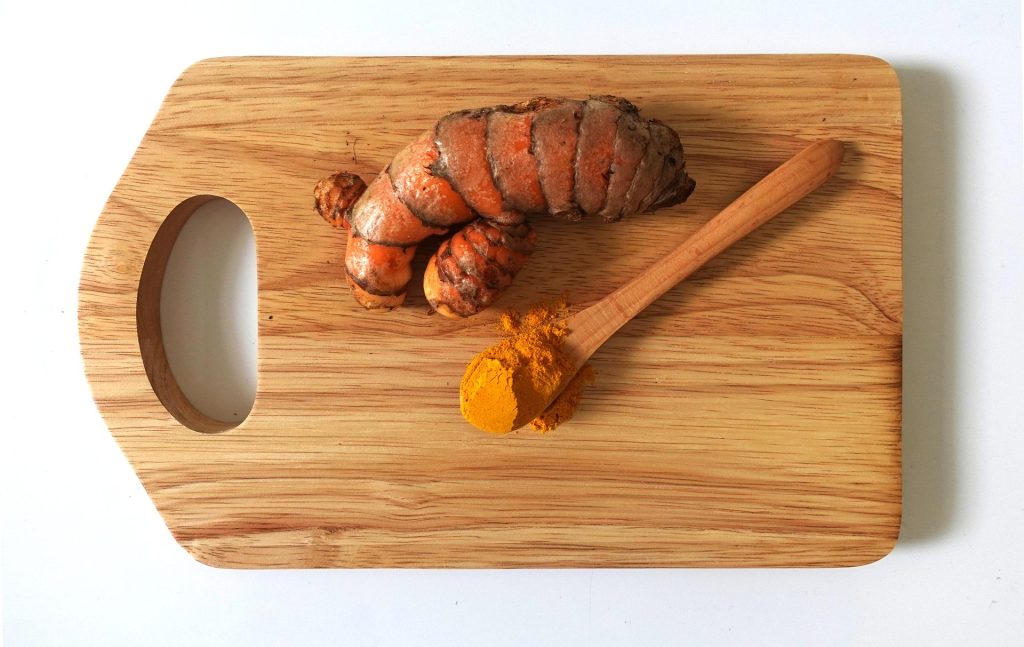
Once the turmeric has been freeze dried, it needs to be converted into a powder.
This is where milling comes into the process.
Milling reduces the freeze-dried turmeric to the particle size required for the finished application.
Particle size can influence how a powder handles, mixes and incorporates into a finished formulation, so milling is not simply a matter of making something smaller.
It is part of producing a consistent ingredient.
Agtech Food Manufacturing provides milling services for food ingredients including fruits, vegetables, herbs, spices and other raw materials. Our milling capability is designed to produce powders with controlled particle size and texture according to the requirements of the product.
For our turmeric, this means the dried turmeric becomes the powder.
The process is not based on purchasing a pre-milled turmeric powder from another supplier.
We control the milling stage ourselves.
- Step 4: Blending for Consistency
The next stage is blending.
The word “blending” can sometimes cause confusion when people are talking about a single-ingredient powder.
Blending does not necessarily mean adding different ingredients together.
In a manufacturing environment, blending can also be used to achieve consistency throughout a batch of processed material.
For our single-ingredient turmeric powder, the objective is to maintain consistency across the finished material rather than introduce fillers or unrelated ingredients.
Agtech Food Manufacturing operates humidity-controlled blending rooms and uses weighing and blending technology to achieve consistent ratios and batch uniformity across powder products.
This is particularly relevant when manufacturing powders because a finished product needs to be consistent from one batch to the next.
What Is Added to Our Turmeric?
This is one of the simplest questions a manufacturer should be able to answer about a single-ingredient product.
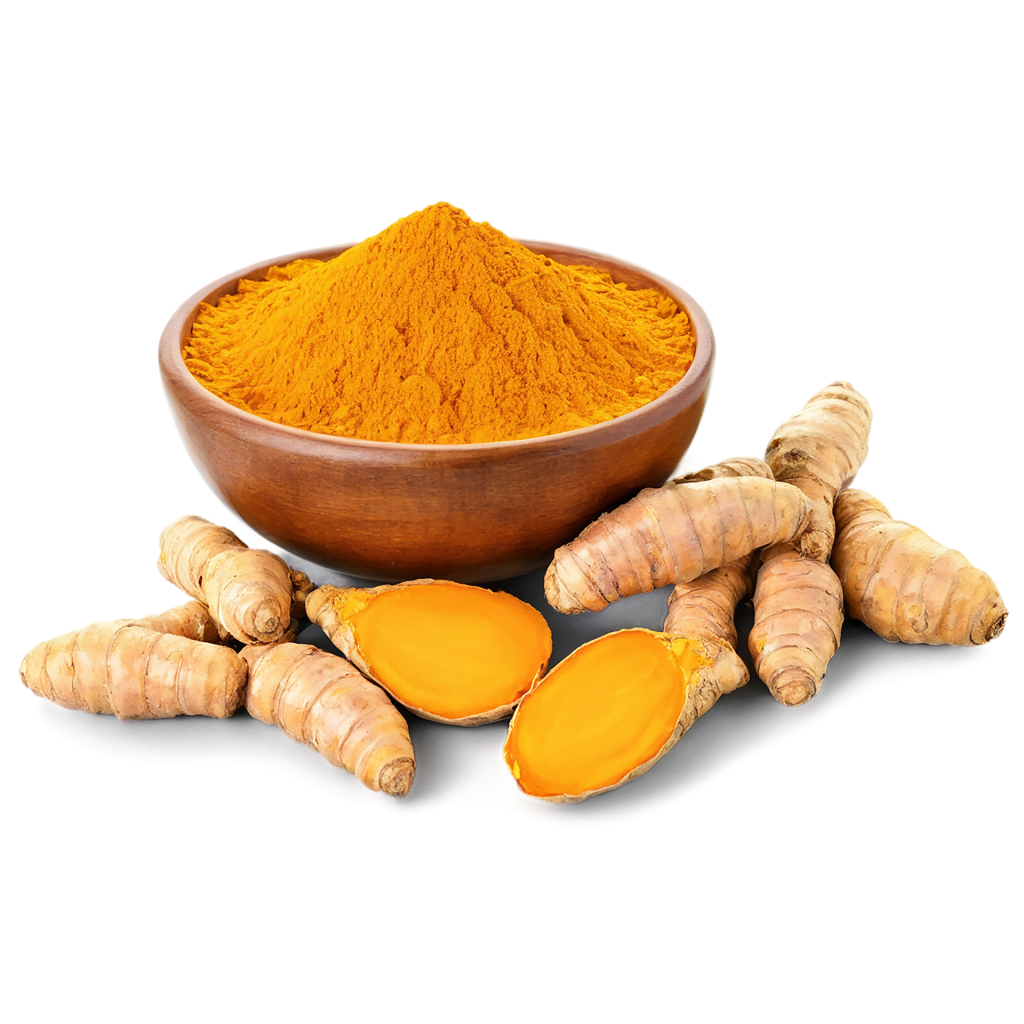
Our turmeric process starts with Australian-grown turmeric and the finished ingredient remains turmeric throughout the processing pathway.
For this product, there are no fillers, binders or other ingredients added to turn the turmeric into a powder.
The process is:
- Turmeric → freeze dried turmeric → milled turmeric → finished turmeric powder
The importance of this is not that “Australian” automatically means better or that every imported ingredient is inferior.
It is that the manufacturer can explain what the ingredient is, where it came from and what happened to it during processing.
That is the foundation of ingredient transparency.
Why We Do Not Start With Finished Turmeric Powder
For a manufacturer, buying an existing powder can be a straightforward way to source an ingredient. However, it can also mean accepting a longer supply chain.
If the powder has already been dried and milled before it reaches the manufacturer, there may be limited visibility over those processing stages. That does not mean the ingredient is fraudulent or poor quality.
It simply means there are more questions that need to be answered.
- Where was the raw turmeric grown?
- Who processed it?
- What drying method was used?
- Where was it milled?
- Was it blended with anything?
- Who packed it?
- How was it stored?
- How was it transported?
Good documentation and supplier verification can provide answers to these questions.
However, when a manufacturer controls more of those processing steps themselves, fewer stages need to be explained by someone else.
That is one of the reasons we have chosen to process our turmeric ourselves.

Local Sourcing and Ingredient Control
There is another reason we place value on Australian sourcing. Local sourcing can make communication and supply chain visibility more straightforward.
This does not mean that imported ingredients are automatically inferior. Australia imports many food ingredients that are manufactured to appropriate standards and used safely across the food industry.
The important question is not simply whether an ingredient is Australian or imported. The question is whether the manufacturer can establish where the ingredient came from and what happened to it before it became part of the finished product. When an ingredient is sourced locally and processed locally, there can be fewer steps between the grower and the finished product.
For our turmeric, that means we can tell a much clearer story.
Why This Matters for Brands
For a food, supplement or nutraceutical brand, ingredient sourcing can have a direct impact on the story behind the finished product. A brand may want to make claims about Australian sourcing, single ingredients or additive-free processing. Those claims should be supported by the actual supply chain. Working with a manufacturer that can explain where an ingredient comes from and how it is processed gives brands more information when developing their own products.
It also gives the brand a clearer story to communicate to its customers. Instead of simply saying that a product contains turmeric, the brand can understand where that turmeric originated and how it became the ingredient used in the finished product. That level of information can be valuable when consumers are asking more questions about food origins and manufacturing.
Beyond Turmeric
Turmeric is one example of the ingredients that can move through Agtech’s processing capabilities.
Agtech Food Manufacturing works with food ingredients including fruits, vegetables, herbs, spices and other raw materials for milling and powder production. Through Agtech Freeze Drying, we also provide freeze-drying services for a range of food and ingredient applications.
Depending on the product, businesses can work with us using their own raw materials or discuss ingredient sourcing with our team.
Our capabilities can include sourcing, freeze drying, milling, blending, testing and packaging, allowing different stages of product development to be managed through the same manufacturing network.
This can help reduce the number of separate suppliers involved in a product’s journey.
The Bigger Question: Do You Know Your Ingredient?
The discussion around food fraud has highlighted a question that every food manufacturer should be prepared to answer.
Do you know where your ingredient came from?
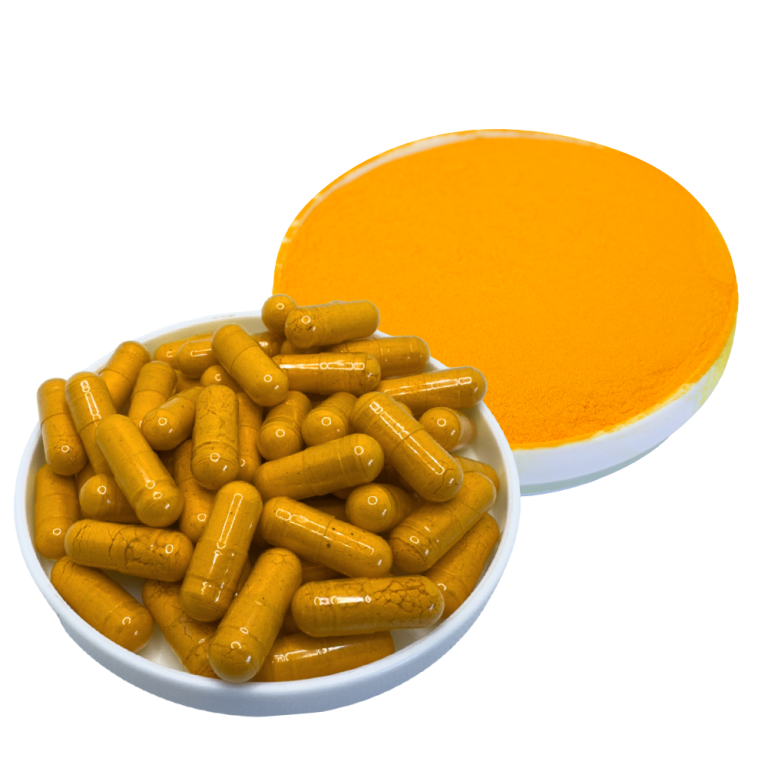
At Agtech, our Australian turmeric gives us a straightforward answer. We start with Australian-grown turmeric and control the processing that turns it into the finished powder.
- We freeze dry it.
- We mill it.
- We blend it.
And we know what ingredient is moving through those stages.
For us, ingredient transparency starts before the powder reaches the manufacturing line. It starts with knowing what the raw material is and where it came from.
That is the difference between simply buying an ingredient and understanding the ingredient you are manufacturing with.